Science Updates About Children and Adolescents
- Improving Firearm Safety in Pediatric Primary Care
-
An automatic reminder supported by low-burden facilitation increased delivery of a universal secure firearm storage program during pediatric primary care.
- Increases Found in Preteen Suicide Rate
-
Researchers at the National Institutes of Health (NIH) found that rates of preteen suicide (ages 8-12) have been increasing by approximately 8% annually since 2008.
- Youth With Conduct Disorder Show Widespread Differences in Brain Structure
-
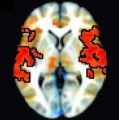
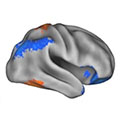
The largest neuroimaging study of conduct disorder to date, with funding from NIH, has revealed extensive changes in brain structure among young people with the disorder. The largest difference was a smaller area of the brain’s outer layer, known as the cerebral cortex, which is critical for many aspects of behavior, cognition and emotion.
- Digital Autism Screening Tool Could Enhance Early Identification
-
A tablet-based screening tool that analyzes children’s behavior in response to specific video clips shows promise for enhancing early autism screening, according to a study supported by NIMH.
- Characterizing Childhood Irritability Across Ages and Stages
-
NIMH-supported research captures expressions of irritability across developmental stages via a clinically relevant measurement tool: the MAPS Temper Loss Scale.
- Novel Treatment Helps Children With Severe Irritability
-
A new study by NIMH researchers demonstrated the effectiveness, feasibility, and safety of exposure-based cognitive behavioral therapy for severe irritability and temper outbursts in children. The positive results set the foundation to continue exploring exposure therapy as a potential treatment for childhood irritability.
- NIH Researchers Identify Brain Connections Associated With ADHD in Youth
-
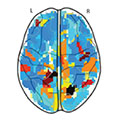
Researchers at the National Institutes of Health (NIH) have discovered that symptoms of attention-deficit/hyperactivity disorder (ADHD) are tied to atypical interactions between the brain’s frontal cortex and information processing centers deep in the brain.
- Cognitive Behavioral Therapy Alters Brain Activity in Children With Anxiety
-
Researchers at the National Institute of Mental Health found that unmedicated children with anxiety disorders show widespread overactivation in brain functioning and that treatment with cognitive behavioral therapy led to a clinically significant drop in anxiety symptoms and improved brain functioning.
- Researchers Expand Understanding of Genetic Mechanisms Underlying Fragile X Syndrome
-
An NIMH-supported study of the 3D genome revealed widespread silencing of genes with important roles in brain function in fragile X syndrome and related disorders.
- High School Students Invited to Reflect on Mental Health Stigma in National Essay Contest
-
The National Institutes of Health is inviting high school students ages 16-18 to participate in an essay contest on the topic of mental health stigma.
- Combined, High Maternal Stress and Prenatal COVID-19 Infection May Affect Attention Span in Infants
-
Prenatal COVID-19 infection increased the risk for impaired attention and delayed socioemotional and cognitive functioning among infants of mothers who experienced high psychosocial stress during their pregnancy.
- Youth Emergency Department Visits for Mental Health Increased During Pandemic
-
Hospital visits for urgent mental health care increased among children and teens in the second year of the COVID-19 pandemic, according to an NIMH-supported study.
- Mothers' Difficult Childhoods Impact Their Children’s Mental Health
-
In this NIMH-funded study, researchers examined how trauma gets passed from one generation to the next.
- Youth Suicide Rates Increased During the COVID-19 Pandemic
-
In one of the first studies to examine national youth suicide rates during the COVID-19 pandemic, researchers showed that the pandemic increased youth suicide rates and the impact varied by sex, age, and race and ethnicity.
- Infants’ Health Record Data May Improve Early Autism Screening
-
Research supported by NIMH suggests that children’s health records may yield some promising insights that could improve the accuracy of early autism screening.
- Researchers Unlock Genetic Mutations Contributing to Disorders in the Brain
-
Researchers identified novel genes with mosaic mutations contributing to treatment-resistant pediatric epilepsy and pointing to specific disrupted pathways in cortical development.
- Attention to Geometric Images May Offer Biomarker for Some Toddlers with Autism
-
An NIMH-supported study shows that preference for geometric images may be robust enough to serve as a biomarker for identifying some young children with autism.
- COVID-19 Pandemic Associated With Worse Mental Health and Accelerated Brain Development in Adolescents
-
An NIMH-supported study suggests that adolescents living through the COVID-19 pandemic may be experiencing more anxiety and depression symptoms and accelerated brain aging.
- Toddlers’ Responses to “Baby Talk” Linked to Social, Cognitive, Language Abilities
-
In an NIMH-supported study, researchers found that toddlers respond to emotionally expressive speech in different ways, and these varied responses are linked with their social, linguistic, and cognitive abilities.
- Low Motivation for Social Bonding May Signal Behavior Problems in Early Childhood
-
In an NIMH-supported study, researchers found that low social affiliation—low motivation for social engagement and bonding—may be a precursor that identifies children as early as age 2 who are likely to develop callous-unemotional behaviors.
- Adult “Picky Eaters” Recall Helpful Parent Feeding Strategies
-
Researchers asked a group of self-identified adult “picky eaters” to reflect on their parents’ feeding strategies to better understand which strategies were helpful and which weren’t.
- Study Furthers Understanding of Disparities in School Discipline
-
A new NIMH-supported analysis shows that disciplinary disparities occur as early as preschool and that their effects can negatively influence how well students do in later years.
- Multistage Autism Screening in Early Intervention Settings May Reduce Disparities
-
An NIMH-supported study shows that incorporating a multistage screening process for autism spectrum disorder (ASD) into federally funded early intervention services may reduce disparities in early ASD diagnosis.
- National Contest Encourages High School Students to Write Short Essays Exploring Mental Health
-
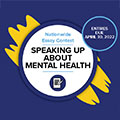
The National Institutes of Health invites students ages 16 to 18 years old to participate in the “2022 Speaking Up About Mental Health!” essay contest.
- Understanding the Characteristics of Suicide in Young Children
-
Researchers supported by NIMH recently published a study describing the characteristics of suicide in young children and the factors that sometimes precede these tragic events, providing an avenue for future research and intervention.
- Persistent, Distressing Psychotic-like Experiences Associated with Impairment in Youth
-
In this NIMH-funded study, researchers examined the association between distressing and persistent psychotic-like experiences in youth and important risk factors for psychopathology.
- Mapping ‘Imbalance’ in Brain Anatomy Across the Lifespan
-
Researchers in the NIMH Intramural Research Program have developed a new way to measure the degree to which the proportions of an individual person’s brain differ from the proportions typically seen in the broader population. This technique yields new insights into brain development and offers tools for further study.
- Investigating Unintentional Injury as a Risk Factor for Self-Harm
-
In a recent study, NIMH-supported researchers found that certain types of unintentional injury have stronger associations with self-harm than others in adolescents.
- Media Advisory: Prototype App for Mobile Devices Could Screen Children at Risk for Autism Spectrum Disorder
-
A mobile app was successful at distinguishing toddlers diagnosed with autism spectrum disorder (ASD) from typically developing toddlers based on their eye movements while watching videos, according to a study funded by the National Institutes of Health.
- NIMH Addresses Critical Need for Rapid-Acting Interventions for Severe Suicide Risk
-
NIMH is working to meet the urgent need for rapid-acting suicide prevention interventions by supporting research investigating the feasibility and safety of treatment protocols that have the potential to quickly reduce severe suicide risk in youth and adults.
- Study Identifies Risk Factors for Elevated Anxiety in Young Adults During COVID-19 Pandemic
-
A new study has identified early risk factors that predicted heightened anxiety in young adults during the coronavirus pandemic.
- Adaptive Screener May Help Identify Youth at Risk of Suicide
-
In a study supported by NIMH, researchers have developed a computerized adaptive screener that can help identify youth at risk for attempting suicide.
- NIH Initiative Expands Access to Resources for Early Psychosis Treatment and Research
-
The Early Psychosis Intervention Network (EPINET), an NIMH initiative aimed at determining how to best provide treatment for individuals experiencing symptoms of early psychosis, is increasing access to resources for researchers, providers, and families through a growing network of research hubs and a new website.
- Using Mobile Technology to Improve Care for Teens with Depression
-
In a project funded by the NIMH Small Business Technology Transfer program, researchers are investigating whether mobile technology can be used to create a passive monitoring system that can predict teens’ depressive symptoms and improve the quality of their care.
- Outdoor Light Linked with Teens’ Sleep and Mental Health
-
A large-scale study of U.S. teens shows associations between outdoor, artificial light at night and health outcomes.
- Infant Temperament Predicts Personality More Than 20 Years Later
-
Researchers investigating how temperament shapes adult life-course outcomes have found that behavioral inhibition in infancy predicts a reserved, introverted personality at age 26 and for some, a risk of internalizing psychopathology such as anxiety and depression.
- Media Advisory: NIMH Experts Available to Discuss Mental Health Concerns Related to the Coronavirus (COVID-19) Pandemic
-
Experts from the National Institute of Mental Health (NIMH) are available to speak on a variety of topics related to mental health and the coronavirus pandemic, such as the effects of the pandemic and isolation on those with and without mental illnesses; healthy ways to deal with stress, anxiety, and loneliness; how to talk with children and teens about the coronavirus; and how people can find mental health help and support if they need it.
- Large-Scale Genetics Study Sheds Light on Developmental Origins of Autism
-
Researchers were able to identify different types of rare genetic variations associated with autism spectrum disorder by analyzing data shared via the NIMH-funded Autism Sequencing Consortium.
- Developing Rapid, Accurate Assessment of Mental Disorders, Suicide Risk in Youth
-
For many adults who have a mental disorder, symptoms were present—but often not recognized or addressed—in childhood and adolescence. Early treatment can help prevent more severe, lasting impairment or disability as a child grows up.
- NIH Awards Funding for Early Autism Screening
-
The National Institutes of Health (NIH) has awarded more than four million dollars in FY 2019 to support seven research projects aimed at developing and validating screening tools to detect signs of autism spectrum disorder in the first year of life.
- Study Reveals Sex-Based Differences in the Development of Brain Hubs Involved in Memory and Emotion
-
Researchers have uncovered sex-based differences in the development of the hippocampus and amygdala—brain areas that have been implicated in the biology of several mental disorders that impact males and females differently.
- NIH Announces Winners of High School Mental Health Essay Contest
-
NIH announces 10 winners of the “Speaking Up About Mental Health! This Is My Story” national essay challenge, aimed at spurring conversations among youth about mental health and encouraging them to seek support for themselves and others.
- NIH Announces Funding Awards for National Early Psychosis Learning Community
-
NIMH awarded six research grants for studies to develop a learning health care system for the treatment of early psychosis.
- Mental Health Research Centers Forge Collaborations – with ALACRITY
-
Mental health research center directors emerged from a recent meeting with a renewed commitment to help each other achieve their common mission – to transform care of children, adolescents and adults with severe psychiatric disorders.
- Nationwide Essay Contest Challenges High Schoolers to be Frank About Mental Health
-
The National Institutes of Health invites students ages 16 to 18 years old to participate in the “Speaking Up About Mental Health!” essay contest to explore ways to address the stigma and social barriers that adolescents from racial and ethnic minority populations may face when seeking mental health treatment.
- Release of “13 Reasons Why” Associated with Increase in Youth Suicide Rates
-
A study conducted by researchers at several universities, hospitals, and the National Institute of Mental Health (NIMH) found that the Netflix show “13 Reasons Why” was associated with a 28.9% increase in suicide rates among U.S. youth ages 10-17 in the month (April 2017) following the shows release, after accounting for ongoing trends in suicide rates.
- NIH Study Reveals Differences in Brain Activity in Children with Anhedonia
-
Researchers have identified changes in brain connectivity and brain activity during rest and reward anticipation in children with anhedonia, a condition where people lose interest and pleasure in activities they used to enjoy.
- NIH Study Shows Many Preteens Screen Positive for Suicide Risk During ER Visits
-
A research team found nearly one-third of youth ages 10 to 12 years screened positive for suicide risk in emergency department settings, including those seeking help for physical concerns only.
- New Pathways for Implementing Universal Suicide Risk Screening in Healthcare Settings
-
A new report provides guidance on how to implement universal suicide risk screening of youth in medical settings. The report describes a way for hospitals to address the rising suicide rate in a way that is flexible and mindful of limited resources.
- Understanding the Brain Mechanisms of Irritability in Youth
-
Researchers have identified differences in how the brains of irritable youth react to frustration, findings that could provide new paths for developing treatments for children and adolescents with severe irritability.
- Inflammation in Pregnant Moms Linked to Child’s Brain Development
-
High levels of maternal inflammation during pregnancy have been linked to effects in children, including reduced brain circuit communications and altered long-distance brain wiring at birth, poorer cognitive function at one year – and to reduced impulse control and working memory at two years.
- “Covert” Neurofeedback Tunes-up the Social Brain in ASD
-
Young people with autism unknowingly tuned up flagging neural connections by playing a picture puzzle game that was rigged by their own brain activity.
- Therapy Reduces Risk in Suicidal Youth
-
A recent clinical trial of a psychotherapy called dialectical behavior therapy (DBT)—which has been shown to be effective in reducing suicide-related behavior in adults—showed that DBT can also reduce suicide attempts and suicidal behavior in adolescents.
- Intervention Shows Promise for Treating Depression in Preschool-Aged Children
-
Researchers funded by the National Institutes of Health have shown that a therapy-based treatment for disruptive behavioral disorders can be adapted and used as an effective treatment option for early childhood depression.
- Age-Related Racial Disparity in Suicide Rates Among U.S. Youth
-
Researchers have discovered an age-related racial disparity in suicide rates for U.S. youth between the ages of 5 and 17. The findings suggest a need for more research into contributing factors and targeted interventions for children.
- NIMH to Host Twitter Chat on Teen Depression
-
On May 3, 2018, join NIMH for a Twitter chat on teen depression with experts Dr. Argyris Stringaris and Dr. Ken Towbin.
- NIH Releases First Dataset from Unprecedented Study of Adolescent Brain Development
-
The National Institutes of Health released to the scientific community an unparalleled dataset from the Adolescent Brain Cognitive Development (ABCD) study.
- Intramural Researchers Develop Suicide Risk Screening Toolkit for Medical Settings
-
NIMH researchers have developed a brief screening questionnaire for medical professionals to identify youth at risk for suicide.
- Patient-Derived Support Cells Stunt Mouse Brain Development
-
Support cells generated from patients with childhood onset schizophrenia stunted neural circuit development when grafted into developing mouse brains.
- Guidelines published for treating PANS/PANDAS
-
An expert panel has published guidelines for treatment of Pediatric Acute Onset Neuropsychiatric Syndrome (PANS) and a subset of patients diagnosed with PAN Disorder Associated with Streptococcal Infection (PANDAS).
- Connections Strengthen Within Specialized Networks as Brain’s Executive Function Matures
-
As we grow up, our brain’s specialized networks become more structurally segregated, contributing to improved executive functioning. These densely interconnected “modules” process information for key functions that underlie development of mental control and self-regulation.
- Pediatrics-based Brief Therapy Outdoes Referral for Youths with Anxiety and Depression
-
A streamlined behavioral therapy delivered in a pediatrics practice offered much greater benefit to youth with anxiety and depression than a more standard referral to mental health care with follow-up in a clinical trial comparing the two approaches.
- Higher Death Rate Among Youth with First Episode Psychosis
-
A new study shows that young people with first episode psychosis have a much higher death rate than previously thought. Researchers looked at people aged 16-30 and found that the group died at a rate at least 24 times greater than the same age group in the general population.
- Recruitment Begins for Landmark Study of Adolescent Brain Development
-
The study will follow the biological and behavioral development of more than 10,000 children through adolescence into early adulthood.
- Game Corrects Children’s Misreading of Emotional Faces to Tame Irritability
-
A computer game that changes a tendency to misread ambiguous faces as angry is showing promise as a potential treatment for irritability in children
- Twitter Chat on Disruptive Mood Dysregulation Disorder and Severe Irritability
-
A live Twitter chat discussing the symptoms and treatments for disruptive mood dysregulation disorder and severe irritability.
- Students Explore the Brain with NIH Scientists
-
Students explore the brain with NIH scientists in celebration of Brain Awareness Week (March 14-18, 2016).
- Symptoms Outdo Diagnoses in Predicting Bipolar Disorder in At-Risk Youth
-
Three types of symptoms emerged as powerful predictors of whether a youth with one parent with bipolar disorder will go on to develop the disorder, according to a new NIMH-funded study of 391 at-risk youth.