Science News About Depression

Scan Predicts Whether Therapy or Meds Will Best Lift Depression
Press Release •
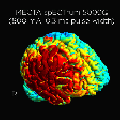
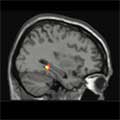
Mayberg brain image thumb right anterior insula

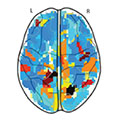
Pre-treatment scans of brain activity predicted whether depressed patients would best achieve remission with an antidepressant medication or psychotherapy, in a study that may help mental health treatment decision-making move beyond trial-and-error. The study sought to identify a biomarker that could predict which type of treatment a patient would benefit from based on the state of his or her brain.

Continue reading…

Bullying Exerts Psychiatric Effects Into Adulthood
Science Update •
Bullying Exerts Psychiatric Effects Into Adulthood

Once considered a childhood rite of passage, bullying lingers well into adulthood. Bullies and victims alike are at risk for psychiatric problems such as anxiety, depression, substance abuse, and suicide when they become adults, reported a study partially funded by the National Institute of Mental Health (NIMH) that was published in the April issue of JAMA Psychiatry.

Continue reading…

Ketamine Cousin Rapidly Lifts Depression Without Side Effects
Science Update •
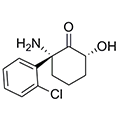
GLX-13 Thumbnail

NMDA or glutamate receptor modulators as antidepressants have come of age. Human clinical studies demonstrated that ketamine can ward off depressive symptoms within 2 hours of administration and last for several days. Yet serious side effects are attached to this drug, including excessive sleepiness, hallucinations, and substance abuse behavior.

Continue reading…

NIH Study Shows People with Serious Mental Illnesses Can Lose Weight
Press Release •
project achieve thumbnail

Losing weight is challenging for everyone. It can be particularly difficult for someone with a serious mental illness. An NIMH-funded clinical study proves that a modified diet and exercise program can work for people with serious mental illnesses. Participants lost 7 pounds more than controls—and continued to lose weight.

Continue reading…

Five Major Mental Disorders Share Genetic Roots
Science Update •
Dr. Bruce Cuthbert, Ph.D.

Five major mental disorders share some of the same genetic risk factors, the largest genome-wide study of its kind has found.

Continue reading…

Imaging Biomarker Predicts Response to Rapid Antidepressant
Press Release •
Dr. Maura Furey video on scopolamine

A boost of activity in visual cortex at the back of the brain, triggered by the processing of emotional information, predicted depressed patients’ responses to a rapid-acting antidepressant.

Continue reading…

Stress-Resilience/Susceptibility Traced to Neurons in Reward Circuit
Press Release •
Optogenetic stimulation of reward circuit

Researchers, for the first time, have instantly switched depression-like states on-and-off in mice by tweaking the firing pattern of neurons in the brain’s reward circuit.

Continue reading…

Experimental Agent Briefly Eases Depression Rapidly in Test
Press Release •
brain matrix

Ketamine-like agent lifts depression briefly in treatment-resistant patients, with few side effects.

Continue reading…

Genetic Switch Involved in Depression
Science Update •
regular neuron, depressed neuron

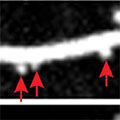
Researchers have discovered a gene regulator that is over-expressed in brains of both depressed patients and rats that show depression-like behaviors. Boosting expression of the regulator, Gata1, decreased expression of genes that code for the connections between neurons in rats’ thinking and feeling circuitry, as well as the number of such synapses.

Continue reading…

Brain Signal ID’s Responders to Fast-Acting Antidepressant
Press Release •
MEG scan

Biomarkers identified in research on a fast-acting antidepressant can signal who will respond to the medication and are providing clues to how it works to lift depression.

Continue reading…

Pattern Recognition Technology May Help Predict Future Mental Illness in Teens
Science Update •
MRI machine

Computer programs that automatically spot patterns in data may help predict a person’s risk for future mental disorders.

Continue reading…

Ethnic Disparities Persist in Depression Diagnosis and Treatment Among Older Americans
Science Update •
older African American male looking out to sea

Older racial and ethnic minorities living in the community are less likely to be diagnosed with depression than their white counterparts, but are also less likely to get treated, according to a recent NIMH-funded analysis published online ahead of print December 15, 2011, in the American Journal of Public Health.

Continue reading…

Interventions Show Promise in Treating Depression Among Preschoolers
Science Update •
young boy looks at adult

A new psychosocial approach shows promise in helping preschoolers with symptoms of depression function better and learn to regulate their emotions, according to an NIMH-funded study published online ahead of print October 31, 2011, in the Journal of Child Psychology and Psychiatry.

Continue reading…

Brain Chemical Linked to Joylessness Provides Insight Into Teen Depression
Science Update •
teen girl looking at a lake

Depressed teens with anhedonia, or the inability to experience pleasure, have lower levels of the neurotransmitter GABA in a key mood-regulating region of the brain, according to an NIMH-funded study published online October 3, in the Archives of General Psychiatry.

Continue reading…

New Neurons in Adult Brain Buffer Stress
Science Update •
Photo of a mouse.

New neurons growing in the adult brain help buffer the effects of stress, according to a new study in mice.

Continue reading…

For Minor Depression, Study Shows No Benefit Over Placebo from St. John’s Wort, Citalopram
Science Update •
yellow flower

An extract of the herb St. John's Wort and a standard antidepressant medication both failed to outdo a placebo in relieving symptoms of minor depression in a clinical trial comparing the three. The results of this study, consistent with earlier research, do not in support the use of medications for mild depression.

Continue reading…

Drug Boosts Growth Factor to Jump-start Rapid Antidepressant Response
Press Release •
ketamine mechanism of action

A study in mice has pinpointed a pivotal new player in triggering the rapid antidepressant response produced by ketamine. By deactivating a little-known enzyme, the drug takes the brakes off rapid synthesis of a key growth factor thought to lift depression, say researchers supported by the National Institutes of Health.

Continue reading…

Stress-Defeating Effects of Exercise Traced to Emotional Brain Circuit
Science Update •
white and brown mice on a wheel

Evidence in both humans and animals points to emotional benefits from exercise, both physical and mental. Now, in recent experiments with mice, scientists have traced the stress-buffering effect of activity to a brain circuit known to be involved in emotional regulation as well as mood disorders and medication effects. The finding is a clue to understanding the neurological roots of resilience, key to developing new means of prevention and treatment for stress-related illness.

Continue reading…

Combination Antidepressant Therapy May Not Improve Odds of Remission Among Chronically Depressed
Science Update •
hands of an adult male and female comforting each other

A combination of two antidepressants may not be any more effective in treating chronic major depression than a single antidepressant, according to an NIMH-funded study published online ahead of print May 2, 2011, in the American Journal of Psychiatry.

Continue reading…

Study Reveals New Clues to How Depression May Develop
Science Update •
lateral habenula neuron

Activating neurons in a brain structure linked to disappointment increased depression-like behaviors in rats, while suppressing the neurons’ activity reduced the behaviors, according to an NIMH-funded study. The findings help to explain previous research linking this brain structure to depression in humans and highlight a cellular process that hadn’t been previously explored in mood disorders research. The study was published in the February 24, 2011, issue of Nature.

Continue reading…

Depressed Teens with History of Abuse Less Likely to Respond to Combination Treatment
Science Update •
boy with a book

Adolescents with treatment-resistant depression who have a history of abuse—especially physical abuse—are less likely to respond to combination treatment than to medication alone, according to data from the NIMH-funded Treatment of Resistant Depression in Adolescents (TORDIA) study. The new study was published in the March 2011 issue of the Journal of the American Academy of Child and Adolescent Psychiatry

Continue reading…

Nurturing Newborn Neurons Sharpens Minds in Mice
Press Release •
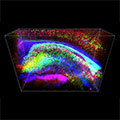
Newborn neurons in mouse hippocampus

Adult mice engineered to have more newborn neurons in their brain memory hub excelled at accurately discriminating between similar experiences – an ability that declines with normal aging and in some anxiety disorders. Boosting such neurogenesis in the adult hippocampus also produced antidepressant-like effects when combined with exercise, in the study funded by the National Institutes of Health.

Continue reading…

Case-managed Care Improves Outcomes for Depressed Patients with Multiple Medical Conditions
Science Update •
man and woman sitting at a table talking

People with diabetes or heart disease plus depression fare better if their medical care is coordinated by a care manager who also educates patients about their condition and provides motivational support, compared to those who receive care from their primary care physician only, according to an NIMH-funded study published December 30, 2010, in the New England Journal of Medicine.

Continue reading…

Teens Who Recover from Hard-to-treat Depression Still at Risk for Relapse
Science Update •
teen couple embracing

Teens with hard-to-treat depression who reach remission after 24 weeks of treatment are still at a significant risk for relapse, according to long-term, follow-up data from an NIMH-funded study published online ahead of print November 16, 2010, in the Journal of Clinical Psychiatry. The long-term data reiterate the need for aggressive treatment decisions for teens with stubborn depression.

Continue reading…

Rapid Antidepressant Works by Boosting Brain’s Connections 
Science Update •
neuronal spines on ketamine-treated rat neurons

An experimental drug that lifts depression in hours likely works by rapidly stimulating connections between brain cells, a study in rats has revealed. The drug, called ketamine, quickly generated such synapses in a brain circuit implicated in human depression by triggering a key enzyme.

Continue reading…

Symptoms of Bipolar Disorder May Go Undiagnosed in Some Adults with Major Depression
Science Update •
Woman contemplating

Nearly 40 percent of people with major depression may also have subthreshold hypomania, a form of mania that does not fully meet current diagnostic criteria for bipolar disorder, according to a new NIMH-funded study. The study was published online ahead of print August 15, 2010, in the American Journal of Psychiatry.

Continue reading…

Stress Hormone Receptors Less Adaptive in Female Brain 
Science Update •
molecular dance

A study in rats has revealed striking gender difference in the brain’s stress response that could shed light on women’s proneness to mood and anxiety disorders. Female rat brain cells were more sensitive to a key stress hormone than males’, which could adapt to the hormone in a way female cells couldn’t.

Continue reading…

Study Shows Possibilities for Predicting How Patients Will Respond to Antidepressants
Science Update •
MRI brain image

In a study of an experimental treatment for major depression, pretreatment testing to probe the function of a specific brain center predicted how patients would respond to ketamine, a medication that can lift depression rapidly in some people.

Continue reading…

Effects on Personality May Be Mechanism of Antidepressant Effectiveness
Science Update •
Silhouetted woman

Results of a study of antidepressant treatment for major depression suggest that changes in personality traits seen in patients taking the drug paroxetine (Paxil) may not be the result of the medication’s lifting of mood but may instead be a direct effect of this class of drugs and part of the mechanism by which they relieve depression.

Continue reading…

Early Treatment Decisions Crucial for Teens with Treatment-resistant Depression
Science Update •
two young men sitting on bleachers talking

An early response to second-course treatment is associated with greater likelihood of remission among teens with hard-to-treat depression, according to recent data from an NIMH-funded study published online ahead of print May 17, 2010, in the American Journal of Psychiatry.

Continue reading…

Resilience Factor Low in Depression, Protects Mice From Stress  
Press Release •
brain reward circuit

Scientists have discovered a mechanism that helps to explain resilience to stress, vulnerability to depression and how antidepressants work. The new findings, in the reward circuit of mouse and human brains, have spurred a high tech dragnet for compounds that boost the action of a key gene regulator there, called deltaFosB. Triggering deltaFosB, which is depleted in post-mortem brains of depressed patients, protected mice from developing a depression-like syndrome following chronic social stress.

Continue reading…

Rapid Antidepressant Action of Common Medication Confirmed by Repeat Trial 
Science Update •
microphone

Confirming results from earlier research, a clinical trial of treatment for major depression showed that the medication scopolamine, commonly used for motion sickness and as a sedative, could lift symptoms of depression within days, far faster than current antidepressants. Though the study was small, the magnitude of scopolamine’s effects in comparison with placebo suggests that this class of medications has potential for rapid treatment of depression.

Continue reading…

Magnetic Stimulation Scores Modest Success as Antidepressant 
Press Release •
rTMS apparatus

Some depressed patients who don’t respond to or tolerate antidepressant medications may benefit from a non-invasive treatment that stimulates the brain with a pulsing electromagnet, a study suggests. This first industry-independent, multi-site, randomized, tightly controlled trial of repetitive transcranial magnetic stimulation (rTMS) found that it produced significant antidepressant effects in a subgroup of patients, with few side effects.

Continue reading…

Novel Model of Depression from Social Defeat Shows Restorative Power of Exercise  
Science Update •
laboratory mice

In a study in a mouse model that mimics the contribution of social stress to human depression, an environment that promotes exercise and exploration alleviated depressive behavior in the mice. The beneficial effect of activity depended on the growth of new neurons in the adult brain.

Continue reading…

Imaging Studies Help Pinpoint Child Bipolar Circuitry  
Science Update •
Amygdala activation

A series of imaging studies are revealing that the brain works differently in youth with bipolar disorder (BD) than in chronically irritable children who are often diagnosed with pediatric BD.

Continue reading…

Family History of Depression Alters Brain’s Response to Reward and Risk
Science Update •
woman comforting girl

Girls at high risk for depression but without current or past clinically significant symptoms showed abnormal brain function related to anticipating and receiving either a reward or loss, according to a study funded by the National Institute of Mental Health (NIMH).

Continue reading…

Diabetes and Depression Associated with Higher Risk for Major Complications
Science Update •
woman’s face in silhouette

People with type 2 diabetes and coexisting major depression are more likely to experience life-threatening diabetes-related complications, according to a recent NIMH-funded study published in the February 2010 issue of Diabetes Care.

Continue reading…

Same Genes Suspected in Both Depression and Bipolar Illness
Science Update •
protein made by PBRM1 gene

Researchers, for the first time, have pinpointed a genetic hotspot that confers risk for both bipolar disorder and depression. People with either of these mood disorders were significantly more likely to have risk versions of genes at this site than healthy controls. One of the genes, which codes for part of a cell’s machinery that tells genes when to turn on and off, was also found to be over-expressed in the executive hub of bipolar patients’ brains, making it a prime suspect. The results add to mounting evidence that major mental disorders overlap at the molecular level.

Continue reading…

Just Over Half of Americans Diagnosed with Major Depression Receive Care
Science Update •
man and woman on ground

Overall, only about half of Americans diagnosed with major depression in a given year receive treatment for it, and even fewer—about one fifth—receive treatment consistent with current practice guidelines, according to data from nationally representative surveys supported by NIMH. Among the ethnic/racial groups surveyed, African Americans and Mexican Americans had the lowest rates of use of depression care; all groups reported higher use of past-year psychotherapy vs. medication for depression.

Continue reading…

Substance Use Associated with Low Response to Depression Treatment Among Teens
Science Update •
teen boy asleep with book

Depressed teens who report low levels of impairment related to drug or alcohol use tended to respond better to depression treatment than depressed teens with higher levels substance-related impairment, according to an analysis of data from the NIMH-funded Treatment of SSRI-Resistant Depression in Adolescents (TORDIA) study. However, it is unclear whether less substance-related impairment allowed for better response to depression treatment, or if better treatment response led to less substance-related impairment. The study was published in the December 2009 issue of the Journal of the American Academy of Child and Adolescent Psychiatry.

Continue reading…

Long-term Depression Treatment Leads to Sustained Recovery for Most Teens
Science Update •
man and teen talking

Long-term treatment of adolescents with major depression is associated with continuous and persistent improvement of depression symptoms in most cases, according to the most recent analysis of follow-up data from the NIMH-funded Treatment of Adolescents with Depression Study (TADS). The report, along with a commentary compiling the take-home messages of the study, was published in the October 2009 issue of the American Journal of Psychiatry.

Continue reading…

NIH Encourages Depressed Moms to Seek Treatment for Themselves
Science Update •
woman holding child while sitting on a chair

Numerous studies have suggested that depression runs in families. Children of depressed parents are 2–3 times as likely to develop depression as compared to children who do not have a family history of the disorder. Other studies have shown that remission of depression in mothers is associated with improvements in psychiatric symptoms in their children. Despite all signs encouraging mothers to prioritize their own mental health, many suffer from untreated depression while managing treatment for their children’s emotional or behavioral problems.

Continue reading…

Telephone-based Depression Treatment Program Effective While Cost Efficient
Science Update •
telephone

Patients who receive structured, telephone-based support to manage their depression gain significant benefits with only moderate increases in health care costs compared to those who receive usual care, according to an NIMH-funded analysis published in the October 2009 issue of the Archives of General Psychiatry.

Continue reading…

New Approach to Reducing Suicide Attempts Among Depressed Teens
Science Update •
young man looking out window

A novel treatment approach that includes medication plus a newly developed type of psychotherapy that targets suicidal thinking and behavior shows promise in treating depressed adolescents who had recently attempted suicide, according to a treatment development and pilot study funded by the National Institute of Mental Health (NIMH). The study, described in three articles, was published in the October 2009 issue of the Journal of the American Academy of Child and Adolescent Psychiatry.

Continue reading…

Combination Treatment for Psychotic Depression Holds Promise
Science Update •

A combination of an atypical antipsychotic medication and an antidepressant known as a selective serotonin reuptake inhibitor (SSRI) may be more effective in treating psychotic depression than an atypical antipsychotic alone, according to results from an NIMH-funded clinical study.

Continue reading…

Brain Emotion Circuit Sparks as Teen Girls Size Up Peers
Press Release •
Hypothalamus, a node of the emotion circuit

What is going on in teenagers’ brains as their drive for peer approval begins to eclipse their family affiliations? Brain scans of teens sizing each other up reveal an emotion circuit activating more in girls as they grow older, but not in boys. The study by Daniel Pine, M.D., of the National Institute of Mental Health (NIMH), part of National Institutes of Health, and colleagues, shows how emotion circuitry diverges in the male and female brain during a developmental stage in which girls are at increased risk for developing mood and anxiety disorders.

Continue reading…

Much Touted “Depression Risk Gene” May Not Add to Risk After All
Press Release •
computer generated image of DNA

Stressful life events are strongly associated with a person’s risk for major depression, but a certain gene variation long thought to increase risk in conjunction with stressful life events actually may have no effect, according to researchers funded by the National Institute of Mental Health (NIMH), part of the National Institutes of Health. The study, published in the June 17, 2009, issue of the Journal of the American Medical Association, challenges a widely accepted approach to studying risk factors for depression.

Continue reading…

Re-shaping Negative Thoughts Shields At-Risk Teens from Depression
Science Update •
teen boy with his head down

At-risk teens exposed to a program that teaches them to counteract their unrealistic and overly negative thoughts experienced significantly less depression than their peers who received usual care, NIMH-funded researchers have found. However, the cognitive behavioral prevention program failed to similarly help adolescents prone to the mood disorder if their parents were currently depressed.

Continue reading…

New NIMH Video Describes Depression, Importance of Treatment
Science Update •
man and woman holding hands

A new 4-minute video from the National Institute of Mental Health provides an overview for the general public on the symptoms, impact, and treatment of depression. The video is available for viewing by individuals or can be used by community groups or in health care offices to inform viewers about depression and its consequences, and the critical importance of seeking treatment.

Continue reading…

Searching for Risk Factors of Suicidal Events During Antidepressant Treatment
Science Update •

A new set of analyses of the NIMH-funded Treatment for Adolescents with Depression Study (TADS) were conducted to better understand what may predict the development of suicidal events during treatment. The analyses, which were published in the May 2009 issue of the Journal of Clinical Psychiatry, showed that youths with suicidal thoughts and more severe depression prior to treatment were at higher risk for suicidal events while undergoing treatment.

Continue reading…

Thinning Tissue in Right Half of Brain Signals Increased Risk of Inherited Depression
Science Update •
MRI brain map of tissue thickness

In cases of familial depression, changes in tissue thickness in key brain structures in the right half of the brain may increase a person’s risk for developing depression, according to NIMH-funded researchers. Similar changes in the left half of the brain were linked to the severity of a person’s existing depression or anxiety symptoms. Based on their findings, the researchers proposed a possible mechanism for how these brain changes affect depression risk in the April 14, 2009, issue of the Proceedings of the National Academy of Sciences.

Continue reading…

Key Molecule in Inflammation-Related Depression Confirmed
Science Update •

Scientists have confirmed the role of an immune-activated enzyme in causing inflammation-related depression-like symptoms in mice.

Continue reading…

Premature Birth Risk Higher for Pregnant Women Taking SSRIs or Suffering from Untreated Depression
Science Update •

Untreated major depression, as well as the use of antidepressant medications, may increase the risk for premature (preterm) birth, but the risk of other problems in fetuses such as breathing, gastrointestinal, or motor problems, may not be increased, according to a study of pregnant women published online ahead of print March 15, 2009, in the American Journal of Psychiatry.

Continue reading…

Expert Panel Addresses High Rates of Smoking in People with Psychiatric Disorders
Science Update •

Numerous biological, psychological, and social factors are likely to play a role in the high rates of smoking in people with psychiatric disorders, according to the report of an expert panel convened by the National Institute of Mental Health. The report reviews current literature and identifies research needed to clarify these factors and their interactions, and to improve treatment aimed at reducing the rates of illness and mortality from smoking in this population.

Continue reading…

Suicidal Thinking May Be Predicted Among Certain Teens with Depression
Science Update •

Certain circumstances may predict suicidal thinking or behavior among teens with treatment-resistant major depression who are undergoing second-step treatment, according to an analysis of data from an NIMH-funded study. The study was published online ahead of print February 17, 2009, in the American Journal of Psychiatry.

Continue reading…

Getting Closer to Personalized Treatment for Teens with Treatment-resistant Depression
Science Update •

Some teens with treatment-resistant depression are more likely than others to get well during a second treatment attempt of combination therapy, but various factors can hamper their recovery, according to an NIMH-funded study published online ahead of print February 4, 2009, in the Journal of the American Academy of Child and Adolescent Psychiatry.

Continue reading…

Adolescents with Depression Not Harmed in Studies Using Placebo
Science Update •

Teens with depression who initially are randomly assigned to placebo treatment (inactive pill) during a trial are no more likely to experience harm or have a diminished response to subsequent active treatments than teens who are initially randomized to active treatment, according to an analysis of data from the NIMH-funded Treatment for Adolescents with Depression Study (TADS).

Continue reading…

Depression Relapse Less Likely Among Teens Who Receive CBT After Medication Therapy
Science Update •

Adolescents with major depression who received cognitive behavioral therapy (CBT) after responding to an antidepressant were less likely to experience a relapse or recurrence of symptoms compared to teens who did not receive CBT, according to a small, NIMH-funded pilot study published in the December 2008 issue of the Journal of the American Academy of Child and Adolescent Psychiatry.

Continue reading…

Anxious and Depressed Teens and Adults: Same Version of Mood Gene, Different Brain Reactions
Science Update •

An NIMH study using brain imaging shows that some anxious and depressed adolescents react differently from adult patients when looking at frightening faces.

Continue reading…

Millisecond Brain Signals Predict Response to Fast-Acting Antidepressant
Press Release •

Images of the brain's fastest signals reveal an electromagnetic marker that predicts a patient's response to a fast-acting antidepressant, researchers have discovered.

Continue reading…

Emotion-Regulating Circuit Weakened in Borderline Personality Disorder
Science Update •

Differences in the working tissue of the brain, called grey matter, have been linked to impaired functioning of an emotion-regulating circuit in patients with borderline personality disorder (BPD).

Continue reading…

Serotonin Neurons Critical for Mouse Postpartum Maternal Behavior, Pup Survival
Science Update •

Mood disorders, including postpartum depression, have long been treated with antidepressants that enhance the mood-regulating brain chemical messenger serotonin.

Continue reading…

Depression Patients’ Brain Circuitry Makes Them Vulnerable to Relapse
Science Update •

Using brain imaging, NIMH researchers have produced direct evidence that people prone to depression -- even when they're feeling well -- have abnormal mood-regulating brain circuitry.

Continue reading…

Mechanism for Postpartum Depression Found in Mice
Press Release •

Researchers have pinpointed a mechanism in the brains of mice that could explain why some human mothers become depressed following childbirth.

Continue reading…

Errant Stress/Immune Indicators Detected in Depression-Prone Women’s Sweat
Science Update •

An experimental skin patch test detected abnormal levels of markers for immune function and stress in the sweat of women with histories of depression, NIMH researchers say.

Continue reading…

Mice Expressing Human Genes Bred to Help Unravel Mental Disorders
Science Update •

New mouse strains engineered to express human genes related to mental disorders are being developed under a recently-launched grant program from NIMH’s Division of Neuroscience and Basic Behavioral Science.

Continue reading…

Preventive Treatment May Help Head Off Depression Following a Stroke
Science Update •

For the first time, researchers show that preventive treatment with an antidepressant medication or talk therapy can significantly reduce the risk or delay the start of depression following an acute stroke, according to a study funded by the National Institute of Mental Health (NIMH), part of the National Institutes of Health. These findings differ from past studies attempting to prevent poststroke depression. The study appears in the May 28, 2008, issue of the Journal of the American Medical Association.

Continue reading…

Medication-only Therapy and Combination Therapy Both Cost Effective for Treating Teens with Depression
Science Update •

Treating depressed teenagers with either the antidepressant fluoxetine (Prozac) or a combination of fluoxetine and psychotherapy can be cost effective, according to a recent economic analysis of the NIMH-funded Treatment for Adolescents with Depression Study (TADS). The study was published online ahead of print April 15, 2008, in the American Journal of Psychiatry.

Continue reading…

Studies Identify Subtle Genetic Changes’ Risk for Mental Disorders; May Lead to Targets for New, Better, Therapies
Science Update •

WASHINGTON, DC, May 5 — Epigenetics — the examination of how environmental factors like diet, stress, and post-natal maternal behavior can change gene function without altering DNA sequence — plays a major role in depression and in the actions of antidepressant medications. New studies in the field are revealing new molecular targets for better therapies for depression, scientists say.

Continue reading…

Human Brain Appears “Hard-Wired” for Hierarchy
Press Release •

Human imaging studies have for the first time identified brain circuitry associated with social status, according to researchers at the National Institute of Mental Health (NIMH) of the National Institutes of Health. They found that different brain areas are activated when a person moves up or down in a pecking order – or simply views perceived social superiors or inferiors. Circuitry activated by important events responded to a potential change in hierarchical status as much as it did to winning money.

Continue reading…

Journal Highlights Effectiveness of Research Based Psychotherapies for Youth
Science Update •

Reviews of the current research on psychosocial and behavioral therapies, or psychotherapies, for children and adolescents found a number of "well established" and "probably efficacious" treatments for many mental disorders. For example, six were "probably efficacious" for anxiety disorders, and two were "well established" for attention deficit hyperactivity disorder (ADHD), according to scientists funded by NIMH and the National Institute on Drug Abuse, divisions of the National Institutes of Health.

Continue reading…

Maintenance Treatment Crucial for Teens’ Recovery from Depression
Science Update •

Long-term maintenance treatment is likely to sustain improvement and prevent recurrence among adolescents with major depression, according to an NIMH-funded study published in the April 2008 issue of the Archives of General Psychiatry.

Continue reading…

Paying More for Prescriptions May Limit Seniors’ Access to Antidepressants
Science Update •

New cost-sharing policies may prevent some older adults diagnosed with depression from filling new antidepressant prescriptions, according to an analysis published in the April 2008 issue of Psychiatric Services.

Continue reading…

State Survey Finds FDA “Black Box” Warning Correlates with Curtailed Antidepressant Prescriptions
Science Update •

After the U.S. Food and Drug Administration (FDA) issued a “black box” warning on antidepressant medications, Nebraskan doctors began prescribing fewer antidepressant medications to children and teens and referring more patients to specialists, according to a state survey. The study, which involved NIMH-funded researchers, was published in the February 2008 issue of the Journal of Child and Adolescent Psychopharmacology.

Continue reading…

One Gene Overrides Another to Prevent Brain Changes that Foster Depression
Science Update •

For what appears to be the first time in humans, scientists have detected an interaction between genes that may help prevent brain changes that increase vulnerability to depression.

Continue reading…

Teens with Treatment-resistant Depression More Likely to Get Better with Switch to Combination Therapy
Press Release •

Teens with difficult-to-treat depression who do not respond to a first antidepressant medication are more likely to get well if they switch to another antidepressant medication and add psychotherapy rather than just switching to another antidepressant, according to a large, multi-site trial funded by the National Institutes of Health’s National Institute of Mental Health (NIMH). The results of the Treatment of SSRI-resistant Depression in Adolescents (TORDIA) trial were published February 27, 2008, in the Journal of the American Medical Association (JAMA).

Continue reading…

Co-occurring Anxiety Complicates Treatment Response for Those with Major Depression
Science Update •

People with major depression accompanied by high levels of anxiety are significantly less likely to benefit from antidepressant medication than those without anxiety, according to a study based on data from the NIMH-funded Sequenced Treatment Alternatives to Relieve Depression (STAR*D) study. The study was published online ahead of print in January 2008, in the American Journal of Psychiatry.

Continue reading…

Primary Care Doctors May Overlook Elderly Patients’ Mental Health
Science Update •

Doctors spend little time discussing mental health issues with their older patients and rarely refer them to a mental health specialist even if they show symptoms of severe depression, according to an NIMH-funded study published December 2007 in the Journal of the American Geriatrics Society.

Continue reading…

Genetic Variation May Influence Response to Depression Treatment
Science Update •

Variations in a gene known as TREK1 may explain some forms of treatment-resistant major depression, according to a new study analyzing genetic data from the NIMH-funded Sequenced Treatment Alternatives to Relieve Depression (STAR*D) trial. The study was published online February 20, 2008, in Neuropsychopharmacology.

Continue reading…

Team Care for Depressed Older Adults Cuts Overall Medical Costs
Science Update •

A team approach to depression treatment for older adults, already shown to be effective, is also less expensive than usual care, according to an NIMH-funded study published February 2008 in the American Journal of Managed Care.

Continue reading…

Tomorrow’s Antidepressants: Skip the Serotonin Boost?
Science Update •

New research adds to evidence of potentially better molecular targets in the brain to treat depression and other mental disorders, according to NIMH-funded scientists.

Continue reading…

Gene Variants Protect Against Adult Depression Triggered by Childhood Stress
Press Release •

Certain variations in a gene that helps regulate response to stress tend to protect adults who were abused in childhood from developing depression, according to new research funded by the National Institute of Mental Health (NIMH), part of the National Institutes of Health. Adults who had been abused but didn’t have the variations in the gene had twice the symptoms of moderate to severe depression, compared to those with the protective variations.

Continue reading…

Mood Disorders Predict Later Substance Abuse Problems
Science Update •

People with manic symptoms and bipolar disorder type II are at significant risk of later developing an alcohol abuse or dependence problem, a long-term study conducted in Switzerland confirms. The study was published in the January 2008 issue of the Archives of General Psychiatry.

Continue reading…

Hurricane Katrina Survivors Lack Access to Mental Health Services
Science Update •

The majority of Hurricane Katrina survivors who developed mental disorders after the disaster are not receiving the mental health services they need, and many who were receiving mental health care prior to the hurricane were not able to continue with treatment, according to an NIMH-funded study published online ahead of print December 17, 2007, in the American Journal of Psychiatry.

Continue reading…

Depression Linked to Bone-Thinning in Premenopausal Women
Press Release •

Premenopausal women with even mild depression have less bone mass than do their nondepressed peers, a study funded in part by the National Institute of Mental Health (NIMH), part of the National Institutes of Health (NIH), shows.

Continue reading…

Depression’s Flip Side Shares its Circuitry
Science Update •

Humans tend to be overly optimistic about the future, sometimes underestimating risks and making unrealistic plans, notes NIMH grantee Elizabeth Phelps, Ph.D., New York University.

Continue reading…

Depressed Adolescents Respond Best to Combination Treatment
Press Release •

A combination of psychotherapy and antidepressant medication appears to be the most effective treatment for adolescents with major depressive disorder—more than medication alone or psychotherapy alone, according to results from a major clinical trial funded by the National Institutes of Health’s National Institute of Mental Health (NIMH).

Continue reading…

Mental Disorders Account for Large Percentage of Adult Role Disability
Science Update •

An NIMH-funded study finds that more than half of U.S. adults have a mental or physical condition that prevents them from working or conducting their usual duties (e.g., role disability) for several days each year, and a large portion of those days can be attributed to mental disorders.

Continue reading…

Scientists May Have Found Long-Pursued Binding Site for Antidepressants
Science Update •

NIMH-funded scientists have a major new clue as to where the long-pursued binding site for commonly used antidepressants – potentially the site that triggers the medications’ effects – may be on brain cells.

Continue reading…

Genes Linked to Suicidal Thinking During Antidepressant Treatment
Press Release •

Specific variations in two genes are linked to suicidal thinking that sometimes occurs in people taking the most commonly prescribed class of antidepressants, according to a large study led by scientists at the National Institutes of Health’s (NIH) National Institute of Mental Health (NIMH).

Continue reading…

Workplace Depression Screening, Outreach and Enhanced Treatment Improves Productivity, Lowers Employer Costs
Press Release •

Enhanced and systematic efforts to identify and treat depression in the workplace significantly improves employee health and productivity, likely leading to lower costs overall for the employer, according to a study published September 26, 2007, in the Journal of the American Medical Association. The study was funded by the National Institutes of Health’s National Institute of Mental Health (NIMH).

Continue reading…

Drops in SSRI prescription rates may coincide with increases in youth suicides
Science Update •

A 2004 spike in suicide rates may have coincided with a drop in antidepressant prescriptions for youth, following warnings from U.S and European regulatory agencies that the medications might trigger suicidal thoughts.

Continue reading…

New Technique Pinpoints Crossroads of Depression in Rat Brain
Science Update •

NIMH-funded scientists have developed a new high-speed technique for imaging brain activity and used it to pinpoint a circuit signal in rats that may be at the crossroads of depression — a possible "final common pathway" where different causes of, and treatments for, the disorder appear to converge.

Continue reading…

Success or Failure of Antidepressant Citalopram Predicted by Gene Variation
Press Release •

A variation in a gene called GRIK4 appears to make people with depression more likely to respond to the medication citalopram (Celexa) than are people without the variation, a study by the National Institute of Mental Health (NIMH), part of the National Institutes of Health, has found.

Continue reading…

Faster-Acting Antidepressants Closer to Becoming a Reality
Press Release •

A new study has revealed more about how the medication ketamine, when used experimentally for depression, relieves symptoms of the disorder in hours instead of the weeks or months it takes for current antidepressants to work.

Continue reading…

Gene Variants Linked to Suicidal Thoughts in Some Men Starting Antidepressant Treatment
Science Update •

Some men who experience suicidal thoughts and behaviors after they first start taking antidepressant medications may be genetically predisposed to do so, according to the latest results from the NIMH-funded Sequenced Treatment Alternatives to Relieve Depression (STAR*D) study

Continue reading…

In Second Try to Treat Depression, Cognitive Therapy Generally As Effective As Medication
Science Update •

Switching to or adding cognitive therapy (CT) after a first unsuccessful attempt at treating depression with an antidepressant medication is generally as effective as switching to or adding another medication, but remission may take longer to achieve

Continue reading…

Benefits of Antidepressants May Outweigh Risks for Kids
Science Update •

The benefits of antidepressant medications likely outweigh their risks to children and adolescents with major depression and anxiety disorders, according to a new comprehensive review of pediatric trials conducted between 1988 and 2006. The study, partially funded by NIMH, was published in the April 18, 2007, issue of the Journal of the American Medical Association.

Continue reading…

Depression Risk Higher in Girls with Low Birth Weight
Science Update •

Girls’ risk for developing depression after puberty increased significantly if they had low birth weight, in a study funded in part by NIMH. Yet low birth weight didn’t appear to be just one more risk factor for depression. Rather, it seemed to increase the risk effects of other adversities.

Continue reading…

African Americans, Black Caribbeans, and Whites Differ in Depression Risk, Treatment
Science Update •

Although black Americans are less likely than whites to have a major depressive disorder (MDD), when they do, it tends to be more chronic and severe.

Continue reading…

Virtual-Reality Video Game Helps Link Depression to Specific Brain Area
Science Update •

Scientists are using a virtual-reality, three-dimensional video game that challenges spatial memory as a new tool for assessing the link between depression and the hippocampus, the brain’s memory hub.

Continue reading…

History of Childhood Abuse or Neglect Increases Risk of Major Depression
Science Update •

People who were abused or neglected as children have increased risk of major depression, which often begins in childhood and has lingering effects as they mature, according to a study funded by NIMH.

Continue reading…

Landmark Council Session Spotlights “Real World” Trials
Science Update •

Principal investigators of NIMH's four large-scale clinical trials presented study results and their implications at the National Advisory Mental Health Council meeting on September 15, 2006.

Continue reading…

Benefits to Employers Outweigh Enhanced Depression-Care Costs
Press Release •

It may be in society’s and employers’ best interests to offer programs that actively seek out and treat depression in the workforce, suggests an analysis funded by NIMH.

Continue reading…

New NIMH Research Strives to Understand How Antidepressants May Be Associated with Suicidal Thoughts and Actions
Science Update •

The National Institute of Mental Health (NIMH), part of the National Institutes of Health, is funding five new research projects that will shed light on antidepressant medications, notably selective serotonin reuptake inhibitors (SSRIs), and their association with suicidal thoughts and actions.

Continue reading…

Odds of Beating Depression Diminish as Additional Treatment Strategies are Needed
Science Update •

An overall assessment of the nation's largest real-world study of treatment-resistant depression suggests that a patient with persistent depression can get well after trying several treatment strategies, but his or her odds of beating the depression diminish as additional treatment strategies are needed.

Continue reading…

NIMH Researchers Discover Medication’s Antidepressant Potential
Science Update •

A commonly used sedative and motion-sickness treatment shows promise as a fast-acting antidepressant, according to a study conducted by researchers at NIMH.

Continue reading…

Bipolar Disorder Exacts Twice Depression’s Toll in Workplace, Productivity Lags Even After Mood Lifts
Press Release •

Bipolar disorder costs twice as much in lost productivity as major depressive disorder, an NIMH funded study has found.

Continue reading…

Subsequent Treatment Strategies for Persistent Depression Yield Modest Results
Science Update •

Patients with treatment-resistant depression had a modest chance of becoming symptom-free when they tried different treatment strategies after two or three failed treatments, according to results from the nation's largest real-world study of depression.

Continue reading…

Experimental Medication Kicks Depression in Hours Instead of Weeks
Press Release •

People with treatment—resistant depression experienced symptom relief in as little as two hours with a single intravenous dose of ketamine, a medication usually used in higher doses as an anesthetic in humans and animals, in a preliminary study.
Continue reading…

Obesity Linked with Mood and Anxiety Disorders
Science Update •

Results of an NIMH-funded study show that nearly one out of four cases of obesity is associated with a mood or anxiety disorder, but the causal relationship and complex interplay between the two is still unclear.
Continue reading…

Switching to a Third Antidepressant Medication May Prove Helpful to Some with Treatment-Resistant Depression
Science Update •

The next wave of results from the nation's largest real-world study of treatment-resistant depressionshows that patients had a moderate chance of becoming symptom-free when they switchedto a third antidepressant medication, following two previously unsuccessful medication attempts.

Continue reading…

Adult Children of Depressed Parents Have Higher Risk of Mental and Physical Illness
Science Update •

As children of depressed parents enter adulthood, they continue to suffer greater risk of mental disorders and begin to report more physical illnesses than grown-up children of non-depressed parents.

Continue reading…

Intermittent Explosive Disorder Affects up to 16 Million Americans
Press Release •

A little-known mental disorder marked by episodes of unwarranted anger is more common than previously thought, a study funded by NIMH has found.

Continue reading…

Depression Rates Are Lower in Children Whose Mothers Are Successfully Treated
Science Update •

When women treated for depression become symptom-free, their children are less likely to be diagnosed with depression, according to a study published in the March 22/29 issue of the Journal of the American Medical Association.

Continue reading…

Properly Timed Light, Melatonin Lift Winter Depression by Syncing Rhythms
Science Update •

Most Seasonal Affective Disorder (SAD) symptoms stem from daily body rhythms that have gone out-of-sync with the sun, a NIMH-funded study has found.

Continue reading…

New Strategies Help Depressed Patients Become Symptom-Free
Press Release •

Results of the nation’s largest depression study show that one in three depressed patients who previously did not achieve remission using an antidepressant became symptom-free with the help of an additional medication and one in four achieved remission after switching to a different antidepressant.

Continue reading…

Maintenance Treatment Prevents Recurrence in Older Adults with Single-Episode Depression
Press Release •

People age 70 and older who continued taking the antidepressant that helped them to initially recover from their first episode of depression were 60 percent less likely to experience a new episode of depression over a two-year study period than those who stopped taking the medication, according to a study funded by the National Institute of Mental Health (NIMH), part of the National Institutes of Health.

Continue reading…

Gene Influences Antidepressant Response
Press Release •

Whether depressed patients will respond to an antidepressant depends, in part, on which version of a gene they inherit, a study led by scientists at NIH has discovered. Having two copies of one version of a gene that codes for a component of the brain’s mood―regulating system increased the odds of a favorable response to an antidepressant by up to 18 percent, compared to having two copies of the other, more common version.

Continue reading…

Depression Model Leaves Mice with Molecular Scar
Press Release •

In addition to triggering a depression-like social withdrawal syndrome, repeated defeat by dominant animals leaves a mouse with an enduring “molecular scar” in its brain that could help to explain why depression is so difficult to cure, suggest researchers funded by NIMH.

Continue reading…

Stopping Antidepressant Use While Pregnant May Pose Risks
Science Update •

Pregnant women who discontinue antidepressant medications may significantly increase their risk of relapse during pregnancy, a new NIMH-funded study has found.

Continue reading…

Initial Results Help Clinicians Identify Patients with Treatment-Resistant Depression
Press Release •

Initial results of the nation’s largest clinical trial for depression have helped clinicians to track “real world” patients who became symptom-free and to identify those who were resistant to the initial treatment.

Continue reading…

Nobelist Discovers Antidepressant Protein in Mouse Brain
Press Release •

A protein that seems to be pivotal in lifting depression has been discovered by a Nobel Laureate researcher funded by NIMH.

Continue reading…

NIMH Expands Public Health Education Effort To Reach Latino Men With Depression
Press Release •

The National Institute of Mental Health (NIMH), part of the National Institutes of Health, today is launching a new effort in the Real Men Real Depression campaign — Spanish-language materials to inform the Latino community about depression and to encourage men who are depressed to seek help.

Continue reading…

PTSD, Depression Epidemic Among Cambodian Immigrants
Press Release •

More than two decades after they fled the Khmer Rouge reign of terror, most Cambodian refugees who resettled in the United States remain traumatized, a study funded by the National Institutes of Health's (NIH) National Institute of Mental Health (NIMH) and National Institute on Alcohol Abuse and Alcoholism (NIAAA) has found.

Continue reading…

Depression Gene May Weaken Mood-Regulating Circuit
Press Release •

A brain scan study suggests that a suspect gene may increase susceptibility to anxiety and depression by weakening a circuit for processing negative emotion.

Continue reading…

Actor-Patients´ Requests for Medications Boost Prescribing for Depression
Press Release •

Researchers funded by the National Institute of Mental Health (NIMH), part of the National Institutes of Health, have found that requests from patients for medications have a "profound effect" on physicians prescribing for major depression and adjustment disorder.

Continue reading…

Rat Brain’s Executive Hub Quells Alarm Center if Stress is Controllable
Press Release •

Treatments for mood and anxiety disorders are thought to work, in part, by helping patients control the stresses in their lives.

Continue reading…

Mutant Gene Linked to Treatment-Resistant Depression
Science Update •

A mutant gene that starves the brain of serotonin, a mood-regulating chemical messenger, has been discovered and found to be 10 times more prevalent in depressed patients than in control subjects, report researchers funded by the National Institutes of Health’s National Institute of Mental Health (NIMH) and National Heart Lung and Blood Institute (NHLBI).

Continue reading…

Combination Treatment Most Effective in Adolescents with Depression
Press Release •

A clinical trial of 439 adolescents with major depression has found a combination of medication and psychotherapy to be the most effective treatment.

Continue reading…

Depression Traced to Overactive Brain Circuit
Press Release •

Press ReleaseAugust 2, 2004 Depression Traced to Overactive Brain CircuitA brain imaging study by the NIH's National Institute of Mental Health (NIMH) has found that an emotion-regulating brain circuit is overactive in people prone to depression — even when they are not depressed.

Continue reading…

“Care Managers” Help Depressed Elderly Reduce Suicidal Thoughts
Press Release •

An intervention that includes staffing doctors’ offices with depression care managers helps depressed elderly patients reduce suicidal thoughts, a study funded by NIH’s National Institute of Mental Health (NIMH) has found.

Continue reading…

Mental Illness Genetics Among Science’s Top “Breakthroughs“ for 2003
Press Release •

Research on the genetics of mental illness, most of it NIMH-funded and much of it in the Institute’s own laboratories, was named the #2 scientific "breakthrough of the year" by Science magazine in its December l9, 2003, issue.

Continue reading…

Creation of New Neurons Critical to Antidepressant Action in Mice
Press Release •

Blocking the formation of neurons in the hippocampus blocks the behavioral effects of antidepressants in mice, say researchers funded by the National Institutes of Health (NIH).

Continue reading…

Gene More Than Doubles Risk Of Depression Following Life Stresses
Press Release •

Among people who suffered multiple stressful life events over 5 years, 43 percent with one version of a gene developed depression, compared to only 17 percent with another version of the gene, say researchers funded, in part, by the National Institute of Mental Health (NIMH).

Continue reading…

NIMH Awards $22.6 Million for Center for Collaborative Research on Mental Disorders
Press Release •

The National Institute of Mental Health (NIMH) has funded a five-year, $22.6 million Center for Collaborative Genetic Studies on Mental Disorders at Rutgers, The State University of New Jersey.

Continue reading…

Medication and Psychotherapy Treat Depression in Low-Income Minority Women
Press Release •

Treatment with medication or psychotherapy reduced depressive symptoms in women from minority populations, according to research funded by the National Institute of Mental Health (NIMH).

Continue reading…

NIMH Launches First Public Health Education Campaign To Reach Men With Depression
Press Release •

The National Institute of Mental Health (NIMH), one of the National Institutes of Health, today announced the launch of the first national campaign to raise awareness that depression is a major public health problem affecting an estimated 6 million men annually.

Continue reading…

Treatment for Minor Depression
Press Release •

In a new approach to research on minor depression, the National Institutes of Health (NIH) has launched a four-year study to determine the safety and effectiveness of St. John's wort, a common herbal supplement, and citalopram, a standard antidepressant, compared to placebo.

Continue reading…

Placebo, Antidepressant May Lift Depression Via Common Mechanism
Press Release •

Whether it's a widely prescribed medication or a placebo, a successful treatment for depression must trigger a common pattern of brain activity changes, suggests a team of researchers funded by the National Institute of Mental Health.

Continue reading…

NIMH Awards Howard University $6.5 Million
Press Release •

Howard University Hospital Department of Psychiatry in the College of Medicine (HUCM) has been awarded $6.5 million from the National Institute of Mental Health (NIMH) for a five-year project to implement and develop research studies pertaining to mood and anxiety disorders.

Continue reading…