



Neurodevelopmental and Behavioral Phenotyping Service
The Neurodevelopmental and Behavioral Phenotyping Service conducts developmental and behavioral evaluations on individuals with a variety of neurodevelopmental problems, focusing on young children and individuals of all ages with significant cognitive or social impairments. The goal of the service is to provide behavioral phenotyping for natural history and treatment studies of autism spectrum disorder and genetic disorders associated with intellectual disability, and contribute to outcome measure development for these conditions. Evaluations integrate NIH patient history with results from individually-administered standardized psychological tests, and can be completed based on clinical referral or protocol driven research questions.
Training
If interested in the Clinical Psychology doctoral student practicum, please contact Lisa Joseph and find information about options with NBPS or other NIMH entities here: NIMH » NIMH Clinical Psychology Doctoral Student Practicum Program/Externship (nih.gov)
If you are interested in the Neurodevelopmental Disorders Interest Group—which meets monthly for presentations and discussions to foster collaboration between various NIH Institutes involved in both basic and clinical research, please visit the Neurodevelopmental Disorders Interest Group page .
Staff
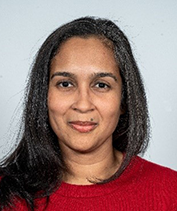
Lisa Joseph, Ph.D.
Associate Clinical Psychologist
Lisa Joseph, Ph.D. is a licensed clinical psychologist and serves as the director of the Neurodevelopmental and Behavioral Phenotyping Service.
301-402-0973
E-mail Dr. Joseph
Lisa Joseph, Ph.D. is a clinical child psychologist in the Neurodevelopmental and Behavioral Phenotyping Service at NIMH. She received her Ph.D. in clinical psychology from Palo Alto University in California. Dr. Joseph completed a postdoctoral fellowship at the Warren Alpert Medical school of Brown University in the Center for Autism and Developmental Disabilities, and she joined the National Institute of Mental Health (NIMH) Intramural Research Program in 2008 as a research fellow. Dr. Joseph’s research interests include repetitive behaviors in neurodevelopmental disorders, identification of intellectual disability and the behavioral phenotype of neurodevelopmental disorders in rare genetic disorders.
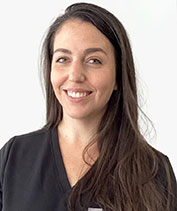
Olivia Remsberg, CRNP
Nurse Practitioner
Olivia Remsberg, CRNP is a nurse practitioner in the Neurobehavioral and Phenotyping Services who joined the team in 2024. She received her Master of Science as a Family Nurse Practitioner from the University of Cincinnati in 2021.
Olivia Remsberg, CRNP is a nurse practitioner who joined the Neurodevelopmental and Behavioral Phenotyping Service team in 2024. She graduated from the University of Cincinnati with a Master of Science as a Family Nurse Practitioner. She completed a Primary Care Nurse Practitioner Residency at the Baltimore Veterans Affairs Medical Center. She worked previously as an ICU nurse at the University of Maryland Medical Center and the MedStar Washington Hospital Center. She started her medical career as a clinical assistant at Kennedy Krieger Institute which inspired her passion of working with those diagnosed with neurodevelopmental disorders.
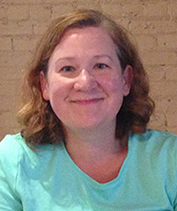
Margaret Pekar M.A.
Research coordinator
Maggie Pekar M.A. is the research coordinator in the Neurodevelopmental and Behavioral Phenotyping Service.
301-402-1084
E-mail Ms. Pekar
Margaret Pekar is the Research Coordinator for the Neurodevelopmental and Behavioral Phenotyping Service and is actively involved in patient intake and protocol regulatory activities. She received her Master of Arts degree in 1999 from Marymount University. She transitioned to the NBPS in April 2019 and has been with the National Institute of Mental Health since 1996.
Leslie Manso, M.A.
Contract data analyst
Leslie Manso, M.A., is a Contract Data Analyst in the Neurodevelopmental and Behavioral Phenotyping Service.
301-435-7962
E-mail Ms. Manso
Leslie Manso is a Contract Data Analyst with a passion for turning numbers into insights. With a background in Memory Disorders research, she is well-versed in the art of working with both qualitative and quantitative data. Leslie’s true passion lies in uncovering trends and patterns in numeric data to create a more comprehensive understanding of complex issues. In the future, she plans to pursue a Ph.D. in Public Health with a focus on minority health disparities, specifically related to improving health data on the Hispanic/Latinx population at the subgroup level. Leslie is excited to use her skills and expertise to drive positive change and make a difference in the lives of those who need it most.