



News and Multimedia Featuring DNBBS
-
 How the Brain Creates New Memories While Maintaining Old Ones• Research Highlight
A new study funded by the National Institutes of Health uncovered patterns in the activation of old and new memories during sleep that keep these memories separate.
-
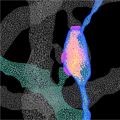 Study Illuminates the Structural Features of Memory Formation at the Cellular and Subcellular Levels• Media Advisory
In a study supported by NIMH, researchers revealed the structural underpinnings of memory formation across a broad network of neurons in the mouse brain.
-
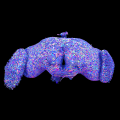 Researchers Fully Map Neural Connections of the Fruit Fly Brain• Press Release
A scientific team supported by the National Institutes of Health (NIH) unveiled the first complete map of the neural connections of the common fruit fly brain.
-
 Scientists Map Networks Regulating Gene Function in the Human Brain• Press Release
An NIMH-funded research consortium has produced the largest and most advanced multidimensional maps of gene regulation networks in the brains of people with and without mental disorders.
-
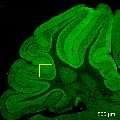 Understanding the Underpinnings of Sensory Hypersensitivity in SCN2A-Associated Autism• Research Highlight
In this NIMH-supported study, researchers investigated the neural underpinnings of sensory hypersensitivity in SCN2A-associated autism.
-
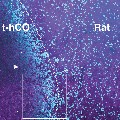 Gene-Based Therapy Restores Cellular Development and Function in Brain Cells From People With Timothy Syndrome• Press Release
In a proof-of-concept study, researchers demonstrated the effectiveness of a potential new therapy for Timothy syndrome, an often life-threatening and rare genetic disorder that affects a wide range of bodily systems, leading to severe cardiac, neurological, and psychiatric symptoms as well as physical differences such as webbed fingers and toes.
-
 Researchers Expand Understanding of Genetic Mechanisms Underlying Fragile X Syndrome• Research Highlight
An NIMH-supported study of the 3D genome revealed widespread silencing of genes with important roles in brain function in fragile X syndrome and related disorders.
-
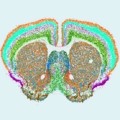 Scientists Unveil Complete Cell Map of a Whole Mammalian Brain• Press Release
For the first time ever, an international team of researchers has created a complete cell atlas of a whole mammalian brain.
-
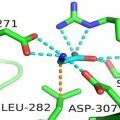 Researchers Solve the Puzzle of a Brain Receptor’s Activation• Research Highlight
Researchers in a NIMH-supported study identified a new receptor for glycine that helps enhance communication between nerve cells in the brain and offers a potential new target for treating mental disorders.
-
 Newly Discovered Brain Connection Affects Reward Behavior in Mice• Research Highlight
NIMH-funded research sheds light on how negative early life experiences may impact how we act in response to rewards, which is often disrupted in people with mental illnesses.
-
 Researchers Unlock Genetic Mutations Contributing to Disorders in the Brain• Research Highlight
Researchers identified novel genes with mosaic mutations contributing to treatment-resistant pediatric epilepsy and pointing to specific disrupted pathways in cortical development.
-
 Rare Genetic Variation in 10 Genes Substantially Raise the Risk for Schizophrenia• Research Highlight
In one of the largest genetic studies of its kind researchers funded by the National Institute of Mental Health identified variations in 10 genes that significantly raise the risk for schizophrenia—information that could help identify new treatment targets.