




Section on Molecular Neuroscience Staff

Lee E. Eiden is the Chief of the Section on Molecular Neuroscience in the National Institute of Mental Health Intramural Research Program of the National Institutes of Health, Bethesda, Maryland. He received his B.A. in Chemistry from Northwestern University in Evanston Illinois, and Ph.D. in Pharmacology from The University of Kansas, and was a Staff Fellow, PRAT Fellow, and Senior Staff Fellow in the NIMH Intramural Research Program before joining the faculty as a Principal Investigator and Chief of the Unit on Cell Biology in 1987, and Chief of the Section on Molecular Neuroscience in 1992. His work at the NIH has focused on stimulus-secretion-synthesis coupling, characterization of the vesicular and secretory proteins mediating chemically coded neurotransmission, including chromogranin A, VMAT1, VMAT2, and VAChT and signaling pathways underlying neuropeptide-mediated stress responses. More recently, the laboratory has been involved in microarray- and bioinformatics-aided gene discovery within neuropeptide-dependent stress-activated cellular signaling pathways in the central nervous system, and has characterized a novel cAMP sensor for neuroendocrine cell-specific GPCR-initiated signaling to the MAP kinase ERK. Dr. Eiden is a member of the editorial boards of Peptides, Cellular and Molecular Neurobiology, and Science Signaling.

Wenqin (Wen) Xu, Ph.D., is a biologist and lab manager in the Section on Molecular Neuroscience (SMN).
Wen received her Ph.D. in Cell Biology from The University of Alabama at Birmingham, working with Dr. Casey Morrow on the initiation reverse transcription of HIV. Wen joined NIH in 2007 as a postdoc fellow in Dr. Maribeth Eiden’s laboratory where she identified a new exogenous retrovirus related to malignant neoplasias from Koalas in a US zoo. In collaboration with Dr. Lee Eiden’s laboratory she also established cAMP sensor cell lines expressing individual G protein-coupled receptor (GPCR) as a means of high throughput methodology for assessing individual GPCR function to guide drug screening.
Wen joined Dr. Lee Eiden’s lab in 2015. She works on developing a pharmacology for NCS-Rapgef2 and PACAP signaling using high throughput cellular screening assays in collaboration with NCATS. Her projects also include the study of downstream components of the NCS-Rapgef2 and ERK signaling in cellula. She is responsible for designing molecular biological experiments to generate transgenic and conditional knock-out mice using the CRISPR technique for animal studies.
Wen can be reached by email at xuwenqin@mail.nih.gov.

Sunny Zhihong Jiang, Ph.D., is a Staff Scientist in the Section on Molecular Neuroscience, the National Institute of Mental Health (NIMH), National Institutes of Health. Her long-term research interests are to identify the mechanisms by which gene expression and neural networks are influenced by, and interact with, environmental/psychogenic conditions to compound risk for development of neuropsychiatric disorders; aim to the development of targeted interventions. Her current research interest focuses on molecular/cellular/circuitry mechanisms underlying neuropeptide PACAP and dopamine mediated adaptive and maladaptive responses to stress. Sunny (Zhihong) received B.S. in Biology from Zhejiang University, Hangzhou, China. In 1997, she received her Ph.D. in Molecular Biology from Shanghai Institute of Biochemistry, Chinese Academy of Science (now named Institute of Biochemistry and Cell Biology, SIBS, CAS). During her research experience in Washington University in St. Louis as a postdoctoral fellow then an instructor, and later in NIMH, she is well trained as a neuroscientist in cellular/molecular and systems neuroscience.
Sunny (Zhihong) can be reached by email: zhihongjiang@mail.nih.gov
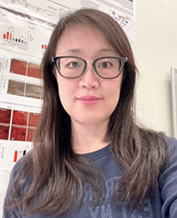
Haiying Zhang, Ph.D., joined Dr. Lee Eiden’s laboratory in the Section on Molecular Neuroscience (SMN) as a contractor scientist in 2019. She has been well trained as a pharmacological and behavioral neuroscientist for the fundamental mechanism studies using cellular, molecular and transgenic technologies. She is now the key personnel in the lab for the maintenance of all mouse colonies based on her expertise and experience. Also, she is studying the role of NCS-Rapgef2 signaling to ERK in the dopamine D1 containing neurons in the nucleus accumbens under psychostimulants treatment by using whole transcriptomics analysis.
Dr. Haiying Zhang pursued her Ph.D. degree majoring in tumor cell biology at the National Center of Biomedical Analysis (NCBA) in Beijing, one of the most prestigious research institutes in China. Then, she was invited to the National Institute on Drug Abuse (NIDA) by Dr. Eliot Gardner as a post-doc fellow in 2009 to study the molecular mechanisms of endocannabinoids system underlying drug abuse and addiction. After 5-year post-doc training, she was promoted to a Research Fellow position at NIDA to further explore the role of endocannabinoids in other psychiatry disorders, such as eating disorders and medication development of drug addiction. In 2017, she was recruited to join in the Behavioral Neuroscience Laboratory at Johns Hopkins University as a research associate to study the neural mechanisms in hypothalamic regulation of glucose and energy homeostasis.
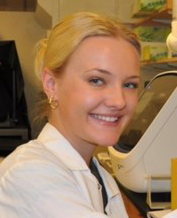
Abigail Carr is a Postbaccalaureate IRTA Fellow in the Section on Molecular Neuroscience (SMN). Abigail graduated from Vanderbilt University with a Bachelor’s in Neuroscience with highest honors. At Vanderbilt, she researched sex differences in dopamine release in the nucleus accumbens and its role in cocaine use disorder under Dr. Erin Calipari. During her undergraduate years, Abigail also enjoyed serving as a mentor for younger scientists through TA roles, the NIH MARC Scholar program, and various community outreach programs. She previously worked under Dr. Guoping Feng at the McGovern Brain institute at MIT as an MSRP-Bio Summer fellow. At MIT, she investigated genetic therapies for SYNGAP-1 haploinsufficiency, a genetic disorder which is the leading cause of early childhood onset epilepsy. In the Eiden lab Abigail is exploring cellular mechanisms of PACAPergic modulation of endocrine and behavioral responses of stress. She is interested in the molecular neurobiology and pharmacology underlying psychiatric disorders.
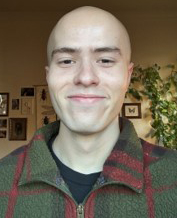
William Brancaleone is a postbaccalaureate IRTA Fellow in the Section of Molecular Neuroscience (SMN). William graduated from the University of Michigan with a Bachelor of Science in neuroscience. As an undergraduate William worked in the lab of Dr. Sara Aton where he conducted research examining the interplay of sleep and memory consolidation, and the implications of disrupted sleep on cognitive deficits in neurodevelopmental disorders. During this work William became interested in the intersection of behavioral and systems neuroscience and sought to apply his skills to research relating to stress and stress-related disorders. In the Eiden lab William works with Dr. Sunny Jiang on projects examining the role of Gs-metabotropic signaling on endocrine and behavioral responses to psychogenic stress. This includes work focused on uncovering the PACAPergic circuit and molecular underpinnings of foot-shock induced grooming behavior.
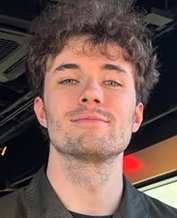
Sam Hargrove is a postbaccalaureate fellow in the Section for Molecular Neuroscience (SMN). In 2025, he graduated from Vanderbilt University with a B.A in neuroscience. During Sam’s undergraduate education, he conducted research on the neuropharmacology of addiction. He worked under Brad and Carrie Grueter in a laboratory that was a part of the Vanderbilt Center For Addiction Research (VCAR). His primary project focused on the parvalbumin (PV) expressing interneurons of the nucleus accumbens (NAc), and their role in governing the acquisition of ethanol preference in mice. Sam is currently working on a project in the Eiden lab that explores how pituitary adenylate cyclase-activating polypeptide (PACAP) signaling, through Gs-coupled receptors and cAMP elevation, governs behavioral responses to stress in the parabrachial-amygdala pathway. Sam is fascinated by the mechanisms associated with signal transduction cascades, admiring their complex but effective nature. In his future professional career, Sam hopes to utilize molecular messengers therapeutically to induce disease modification in individuals suffering from neuropsychiatric illnesses.
Lab Alumni

Babru Samal, Bioinformatics scientist 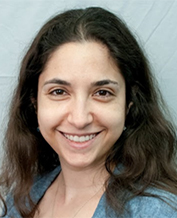
Dana Bakalar, Postdoctoral IRTA Fellow 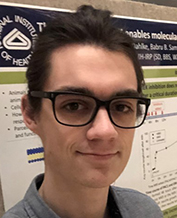
Sam Dahlke, Postbaccalaureate IRTA Fellow 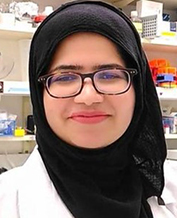
Tabinda Salman, graduate student
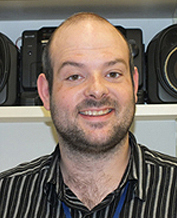
Drew Emery, IRTA Fellow 
Chang-Mei Hsu, Biologist 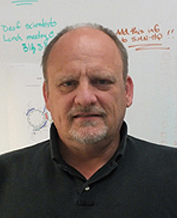
David Huddleston, Biologist 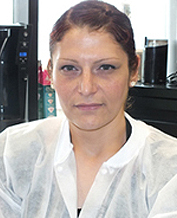
Tomris Mustafa, Staff Scientist